
Premature White or Gray Scalp Hair and Vitiligo: What's the Connection
If you’ve noticed a patch of scalp hair coming in white or gray — sometimes years before you’d expect based on your age — and you have vitiligo, the two are very likely connected. This is a recognized feature of the condition, not a separate problem.
What’s actually happening
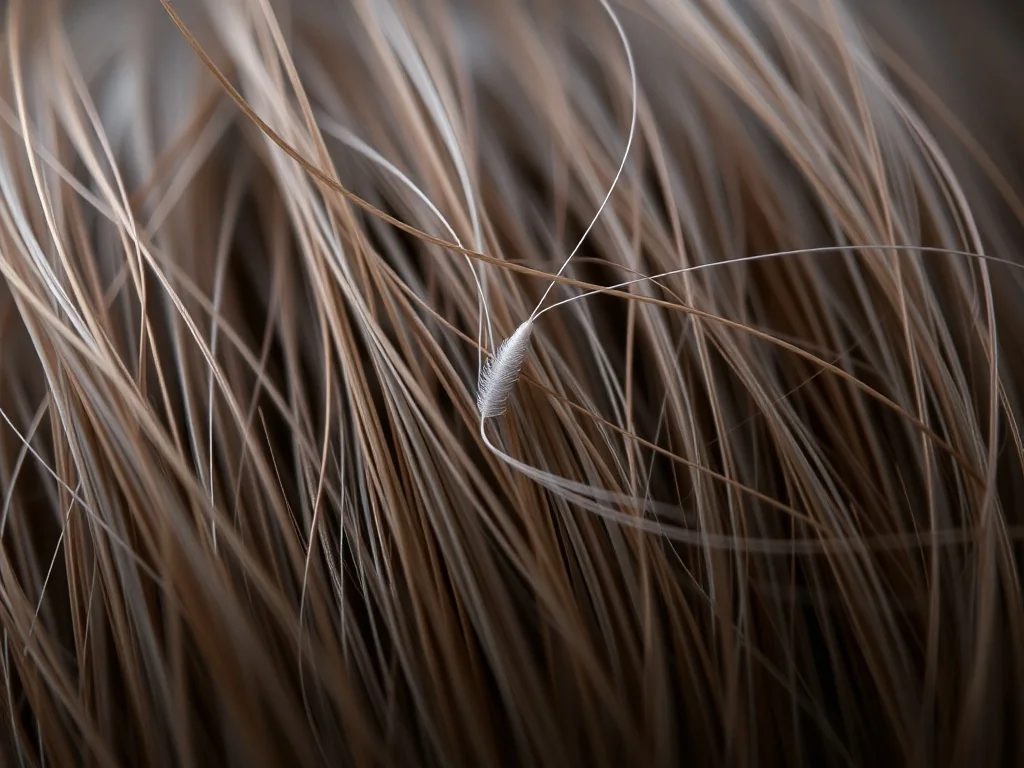
Vitiligo destroys melanocytes — the pigment-producing cells — in the skin. The same process can affect melanocytes located at the base of hair follicles. When follicular melanocytes are destroyed, the follicle keeps producing hair, but without any pigment to color it, so the hair grows in white. This is called poliosis, and on the scalp it commonly appears within or near a vitiligo patch, though it can occasionally appear as an early or even isolated sign before a skin patch becomes visible.
Why it matters beyond appearance
Poliosis within an existing vitiligo patch is actually useful clinical information — it can indicate a deeper degree of melanocyte loss in that specific area, which is relevant to how well that patch is likely to respond to repigmentation treatment. Areas with poliosis sometimes have a harder time achieving full repigmentation with treatments like NB-UVB or topical options, since the follicular reservoir of melanocytes (which supports the classic “perifollicular dots” pattern of repigmentation) has itself been affected.
This doesn’t mean treatment won’t work — it means realistic expectations for that specific area should factor in the poliosis, and it’s worth mentioning explicitly to your dermatologist if you notice it.
Can it come back?
Less reliably than skin repigmentation. Hair follicle melanocytes that have been fully destroyed generally don’t recover on their own. New hair growth from a follicle that regains some melanocyte activity — whether through treatment or spontaneously — can come in pigmented again, but this isn’t guaranteed and varies a lot between individuals and treatment approaches. Don’t be surprised if surrounding skin repigments well while an area of white hair remains unchanged; that’s a known, common pattern, not a sign that anything is going wrong.
What your options are
Leave it as is. Plenty of people don’t treat white hair patches as something that needs addressing at all — it’s a visible feature, not a health concern.
Hair dye. A straightforward, low-commitment cosmetic option that doesn’t interact with any vitiligo treatment. Semi-permanent dyes are a lower-commitment way to test whether you like the blended look before committing to something longer-lasting.
Scalp camouflage products. Tinted root touch-up sprays or powders (originally marketed for gray coverage) can blend a poliosis patch for specific occasions without a full dye commitment.
Treat the underlying vitiligo patch. If the poliosis is within an active or treatable vitiligo patch, addressing the vitiligo itself (NB-UVB, topical treatment) may support some repigmentation of new hair growth over time, even if it can’t be guaranteed for existing white hair.
My take
Poliosis surprises a lot of people the first time they notice it, especially when it shows up well before an age where gray hair would be expected. It’s a legitimate, well-documented feature of vitiligo, not a separate condition or something gone wrong. What you do about it cosmetically is entirely up to you — there’s no “should” here beyond what you’re comfortable with.
