
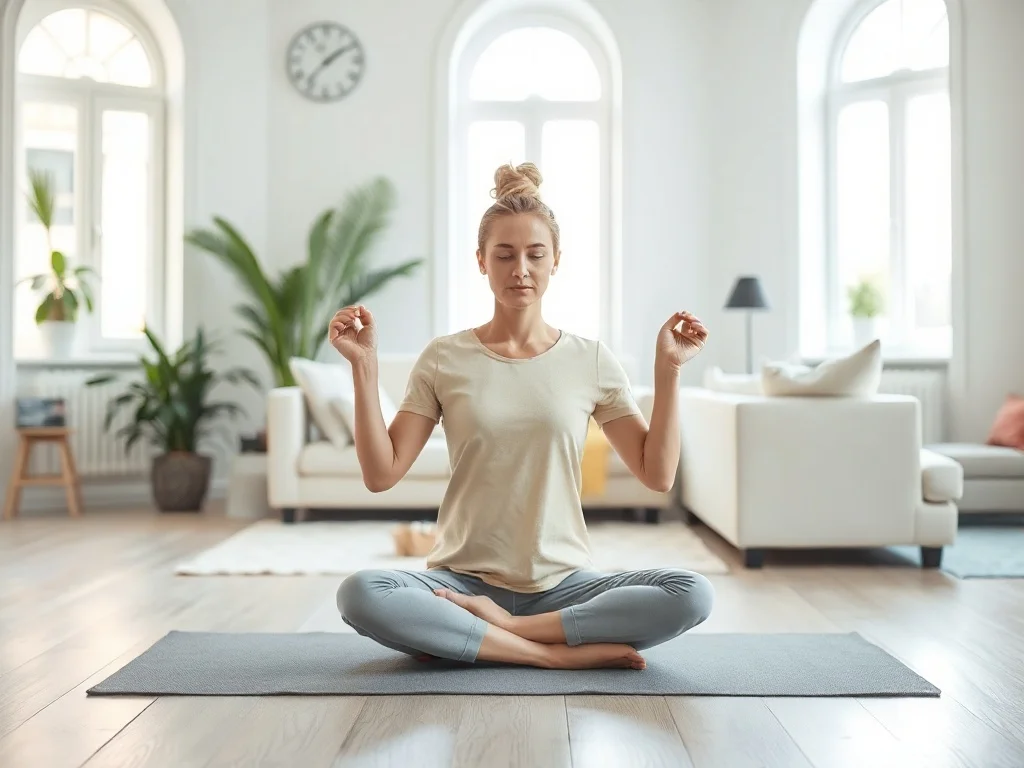
Vitiligo and Stress Reduction: What Meditation and Mindfulness Can Actually Do
“Your vitiligo must have got worse from the stress.” I have heard this more than once — from friends, from family, and honestly, from myself. After a particularly difficult period, I noticed new patches appearing and started to wonder whether there was a real connection.
So I looked into it. Not to confirm what I already believed, but to understand what the research actually says. It turned out to be more nuanced than I expected — and more interesting.
This is not a claim that meditation will repigment your skin. It is an honest look at what stress management can and cannot do for vitiligo.
What the research says about stress and vitiligo
Vitiligo is an autoimmune condition in which the immune system attacks melanocytes — the cells that produce pigment. Psychological stress has a measurable effect on the immune system, particularly on T-cell activity and cytokine production. This makes it biologically plausible that stress could play a role in triggering or worsening vitiligo.
Patient studies support this association. In multiple surveys, vitiligo patients report that their condition first appeared or worsened following periods of significant stress: bereavement, relationship breakdown, prolonged overwork. A study published in the Journal of Dermatology (2015) found that up to 44% of vitiligo patients identified a stressful life event as a possible trigger for onset.
The important caveat: correlation is not causation. People who develop vitiligo look back at stressful periods. That does not mean stress caused the vitiligo — it is equally possible that early immune changes were driving both the stress response and the developing skin condition simultaneously. The mechanism is plausible and the correlation is consistent, but a proven direct causal link does not exist in the current evidence base.
What meditation and mindfulness can actually do
This is where it gets more useful. Mindfulness-based stress reduction (MBSR) — the eight-week programme developed by Jon Kabat-Zinn — has been studied specifically in chronic skin conditions. A well-known trial in psoriasis patients found that those receiving meditation guidance during phototherapy sessions achieved clearance significantly faster than controls. Similar findings exist for eczema.
For vitiligo specifically, the direct evidence is thinner. There are no large randomised trials showing that meditation accelerates repigmentation. That needs to be stated clearly.
What is documented:
Quality of life improvements are real. Vitiligo has significant psychological impact — shame, avoidance of social situations, anxiety about visibility. Mindfulness interventions demonstrably reduce rumination and increase psychological acceptance of chronic conditions. These are genuine benefits regardless of what happens to the patches themselves.
Cortisol and immune modulation. Regular meditation practice lowers chronically elevated cortisol levels. Chronic stress and sustained cortisol elevation disrupt immune regulation — bringing those back toward normal range can have indirect beneficial effects for an autoimmune condition. This is indirect evidence, but the mechanism is sound.
Breaking the stress-about-stress loop. People with vitiligo sometimes experience heightened anxiety specifically about stress, fearing it will worsen their condition. Mindfulness practice interrupts this cycle by developing a different relationship to anxious thoughts — observing them rather than being pulled along by them.
Practical techniques worth trying
Diaphragmatic breathing (4-7-8 technique) Inhale through your nose for 4 seconds, hold for 7, exhale slowly through your mouth for 8. Repeat four cycles. This activates the parasympathetic nervous system and reduces acute stress measurably within minutes.
Body scan meditation A standard MBSR practice: lie down, close your eyes, and slowly move your attention from your feet to your head, observing each body region without judgement. Ten to fifteen minutes daily. Insight Timer offers free guided body scans.
Progressive muscle relaxation Tense each muscle group for five seconds, then release. Work upward from feet to face. Particularly effective for people who hold tension physically.
Daily meditation via apps Headspace, Calm, and Insight Timer all offer structured programmes for beginners. Consistent daily practice — even ten minutes — produces more measurable benefit than an hour once a week.
Regular physical exercise Exercise is one of the most well-evidenced stress reduction strategies, with direct immune-modulating effects. Thirty minutes of moderate daily movement — walking, swimming, cycling — produces measurable reductions in inflammatory markers.
Supplements with potential supporting roles
Ginkgo biloba has mild antioxidant and immune-modulating properties. There is vitiligo-specific research on ginkgo — the antioxidant effect appears to protect melanocytes from oxidative stress. If you want to try it, look for a standardised extract: ginkgo biloba 120mg.
Vitamin D plays a role in immune regulation and deficiency is significantly more common in vitiligo patients than in the general population. Supplementation makes sense if your levels are low: vitamin D3. Confirm dosage with your doctor based on blood test results.
Common questions about vitiligo and stress
Can stress cause vitiligo?
Stress is considered a possible trigger but is unlikely to be a standalone cause. Vitiligo has a genetic component and a complex autoimmune mechanism. Stress may activate an existing susceptibility or accelerate an episode, but it does not create vitiligo in someone without that underlying predisposition. The scientific consensus describes vitiligo as multifactorial.
Can reducing stress improve my vitiligo?
Not directly — stress reduction alone does not cause repigmentation. But it may help limit further spread if stress is a personal trigger, and it significantly improves quality of life and psychological wellbeing. Think of it as a complementary strategy alongside medical treatment, not a replacement for it.
Which meditation technique works best for skin conditions?
MBSR has the strongest evidence base for chronic skin conditions. If you are new to meditation, a guided body scan or breathing exercise is the most accessible starting point. Consistency matters more than technique — something done daily has more effect than a perfect method used rarely.
I think stress made my vitiligo worse. What should I do?
Talk to your dermatologist. Document when the spread began and which stressors were present — that is useful clinical information. Consider integrating stress reduction practices, and explore whether your current medical treatment plan needs adjusting. Active spread is a signal that the autoimmune process is running — it deserves medical attention alongside any lifestyle adjustments.
Beth’s take
After working through the research, I am genuinely persuaded that stress management is worth prioritising — not as a primary treatment, but as a serious complement to one. The quality of life benefits are real and well-documented. The indirect mechanism for immune modulation is plausible. The practical techniques are accessible and low-risk.
But I am also honest about the limits: meditation does not replace phototherapy, topical treatment, or medical supervision. If your vitiligo is actively spreading, there are medical options available — more of them than there used to be — and they are more likely to stop the spread than any lifestyle intervention alone.
For the full picture on current treatment options: see the Opzelura complete patient guide and the vitiligo treatment options comparison.
Stress management and medical treatment are not alternatives to each other. The best approach, for most people, involves both.
