
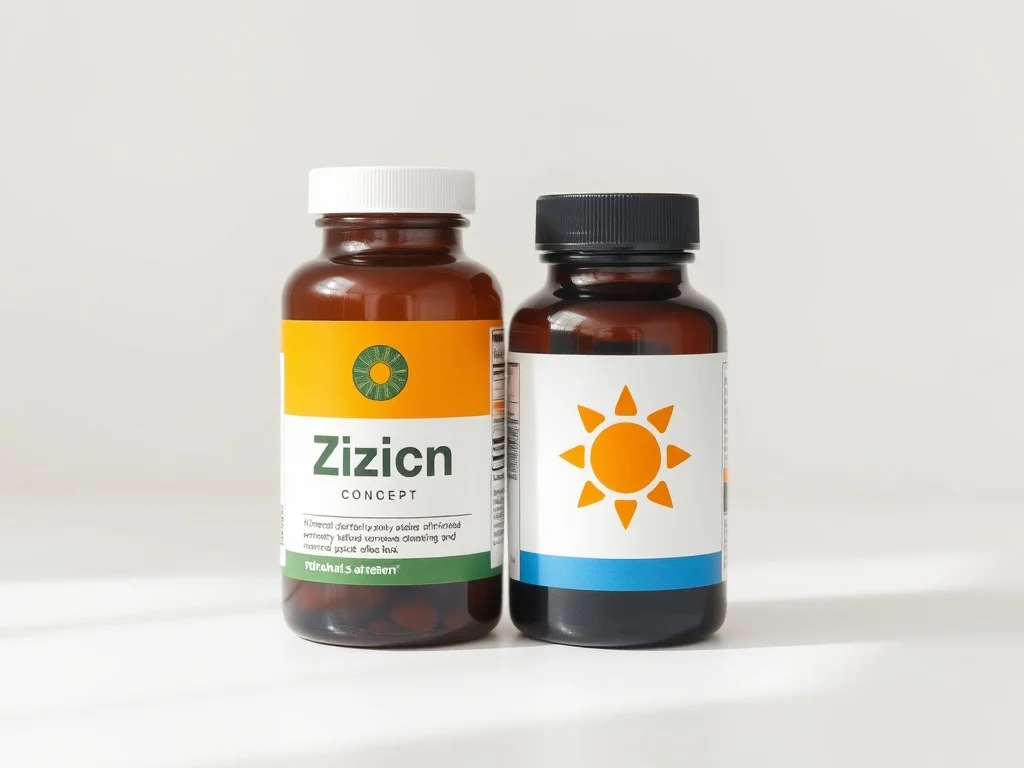
Zinc vs. Vitamin D for Vitiligo: Which Actually Matters More
Zinc and vitamin D both show up constantly in vitiligo supplement conversations, often mentioned in the same breath as if they’re interchangeable. They’re not — the evidence behind them differs meaningfully, and knowing that difference helps you prioritize where to actually spend money and testing effort.
Vitamin D: the stronger evidence base
Vitamin D deficiency is one of the more consistently documented findings in vitiligo research — multiple studies find significantly lower levels in vitiligo patients compared to controls. The proposed mechanism is immunomodulatory: vitamin D influences T-regulatory cell function, which is directly relevant given vitiligo’s autoimmune mechanism. Some research also points to interaction with the JAK-STAT signaling pathway that current prescription treatments (Opzelura, oral JAK inhibitors) also target.
Stronger, more consistent evidence
Vitamin D3 Supplement
Get tested first — deficiency is common enough in vitiligo patients that this is usually the higher-priority nutrient to check and correct.
Check Price on AmazonZinc: real but thinner evidence
Zinc is a required cofactor for tyrosinase, the enzyme that produces melanin, which gives it a mechanistically plausible role. Studies have found lower zinc levels in both serum and depigmented skin of vitiligo patients, and zinc has antioxidant properties that may reduce oxidative stress on melanocytes. That said, the evidence base is comparatively thinner than for vitamin D — fewer studies, smaller effect sizes, and less consistency across the research.
Plausible mechanism, thinner evidence
Zinc Supplement (50mg)
Worth correcting if bloodwork confirms low levels — avoid supplementing beyond 40mg without medical supervision, since excess zinc can deplete copper.
Check Price on AmazonThe direct comparison
| Vitamin D | Zinc | |
|---|---|---|
| Evidence strength | Moderate–strong | Moderate |
| Deficiency prevalence in vitiligo patients | High | Moderate |
| Mechanism | Immunomodulatory (T-reg function) | Tyrosinase cofactor, antioxidant |
| Standard test | Serum 25(OH)D | Serum zinc |
| Typical dose if deficient | 1,000–4,000 IU/day | 15–30 mg/day |
| Risk of excess | Low | Copper depletion above 40mg/day |
Which one should you actually prioritize?
If you can only test and correct one right now, vitamin D has the stronger case based on current evidence — it’s more consistently documented, and deficiency is common enough in the general population (not just vitiligo patients) that testing it is worthwhile regardless. Zinc is still worth checking, just with somewhat lower priority if cost or testing access is a genuine constraint.
The better answer, if you can manage it: test both. A standard bloodwork panel at diagnosis commonly includes both alongside B12 and folate, and correcting an actual deficiency in either is low-risk and low-cost relative to the potential benefit for how well your active treatment works.
What neither one does
Worth repeating clearly: neither zinc nor vitamin D repigments vitiligo on its own. Both are supporting nutrients — correcting a genuine deficiency may improve the environment your actual treatment (NB-UVB, topical prescriptions) is working in, but supplementing either without a confirmed deficiency is a much weaker bet than correcting a documented low level.
My take
Between the two, vitamin D earns the “test this first” spot based on the evidence. But this isn’t really an either/or question in practice — both are cheap, low-risk to correct if genuinely deficient, and worth including in the same bloodwork panel rather than debating which one deserves your attention more.
