
Unani Medicine for Vitiligo: Tradition, Limits, and Safety
Some patients still explore Unani medicine for vitiligo. This guide looks at the tradition carefully, with a strong focus on limits and safety.
Category
103 articles — page 8 of 9
Some patients still explore Unani medicine for vitiligo. This guide looks at the tradition carefully, with a strong focus on limits and safety.
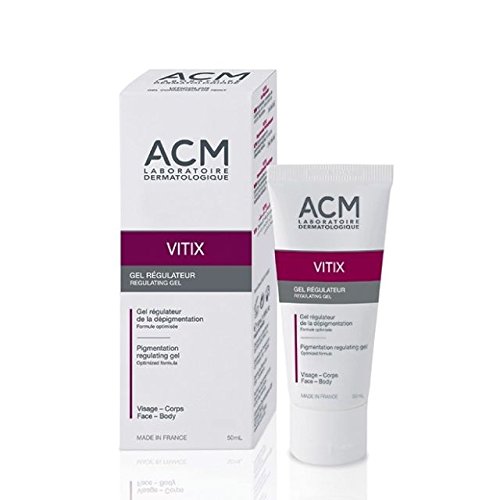
If you have vitiligo, finding the right skin dye or camouflage product can take some trial and error. Here are the main options, how to choose between them, and how to apply them properly.

Yes. There is no clinical evidence linking eggs to vitiligo flares. Eggs provide B12 and tyrosine, both relevant to melanin production. Here is the full picture.
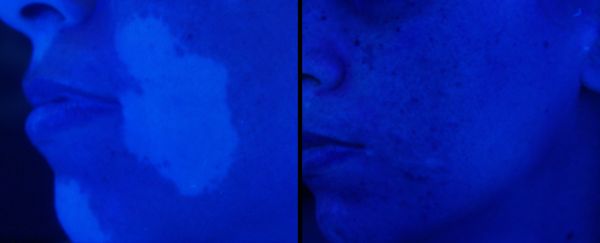
A Wood's lamp can help a dermatologist evaluate pigment loss more clearly. Here is what the test can show and what it cannot confirm.
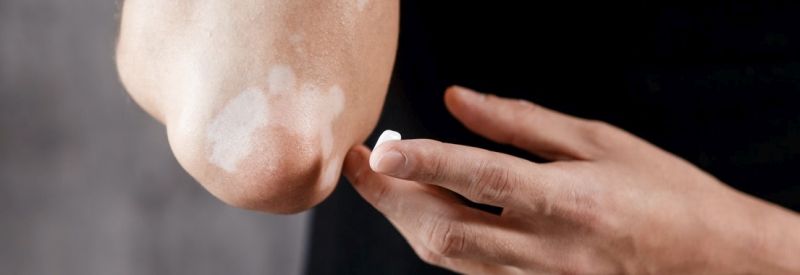
Ruxolitinib cream is one of the more important recent developments in vitiligo treatment, but it still needs realistic expectations and medical supervision.

Turmeric and mustard oil are popular home remedies for vitiligo. Here is what limited evidence exists, how they are used, and what precautions to take.
The belief that eating fish with milk triggers vitiligo is widespread in South Asia but lacks clinical evidence. Here is what the research actually says.
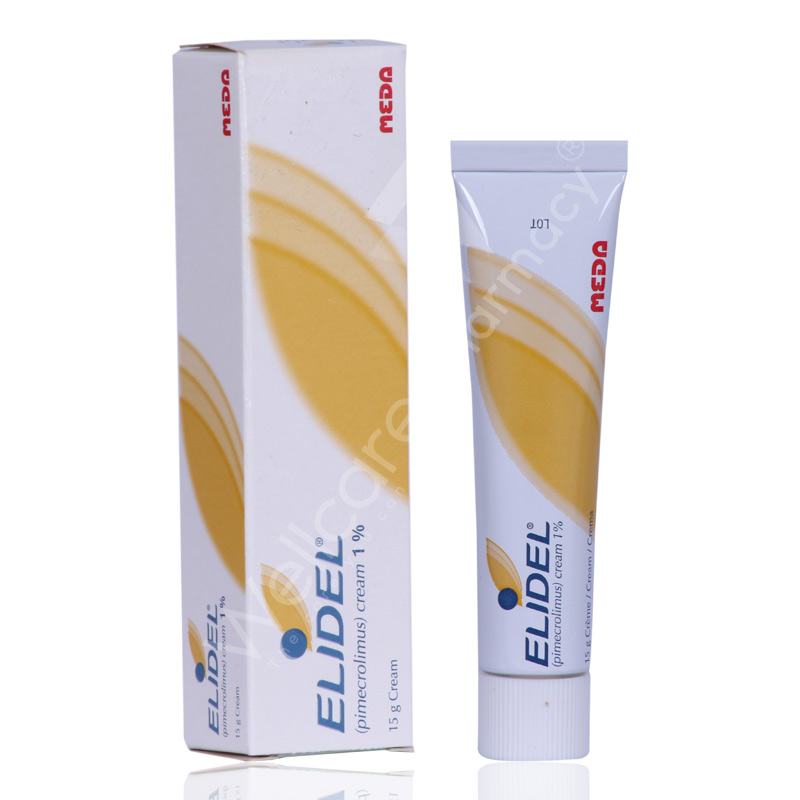
Elidel (pimecrolimus) is a non-steroid calcineurin inhibitor that dermatologists choose for vitiligo on the face and other sensitive areas. Here is how it works, how it compares with tacrolimus, and what realistic improvement looks like.

If your dog has pale patches on the nose, lips, or coat, vitiligo is one possible explanation. This guide covers the signs and next steps.

Vitiligo does not affect fertility or pregnancy outcomes. Here is what actually changes during pregnancy — why some patients improve and others worsen — and which treatments are considered safe while expecting.
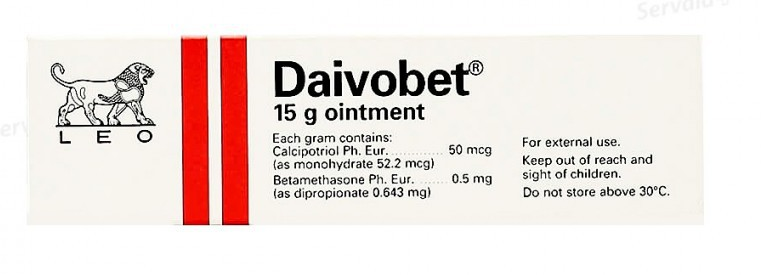
Daivobet combines calcipotriol and betamethasone in a single preparation, and dermatologists sometimes use it off-label for vitiligo. Here is what each component does, the evidence for vitiligo, and how to use it correctly alongside phototherapy.
B3, B6, B12, and folic acid all have some evidence supporting a role in vitiligo. Vitamin C is the exception — here's why it's the one to avoid supplementing, not add.
