
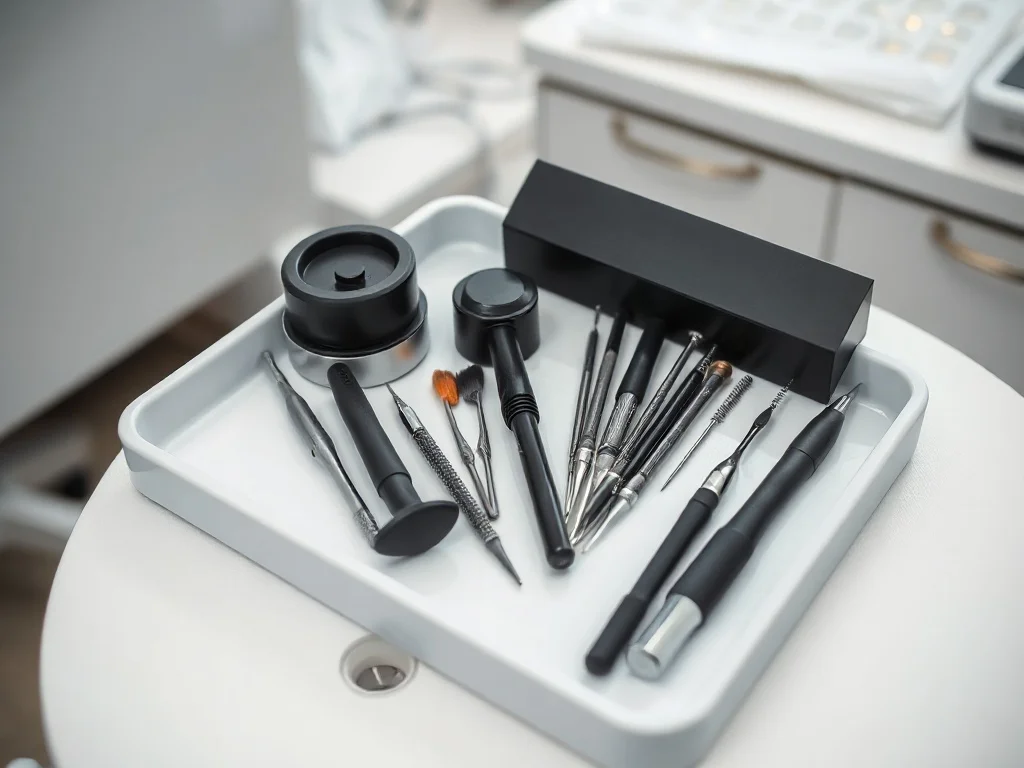
Micropigmentation for Vitiligo: Paramedical Tattooing for Stable Patches
For stable vitiligo patches that haven’t responded to repigmentation treatment, or in cases where someone has decided not to pursue further active treatment, micropigmentation is a semi-permanent camouflage option worth knowing about — distinct from both everyday makeup and decorative tattooing.
What it actually is
Micropigmentation (also known as paramedical tattooing or dermapigmentation) deposits pigment into the upper layers of the skin, using a technique mechanically similar to tattooing but performed with the specific goal of matching your natural skin tone to camouflage a depigmented patch. It’s typically performed by a technician specifically trained in medical or paramedical pigmentation — not a standard tattoo artist — often in a dermatology practice or specialized aesthetics clinic.
This is different from getting a decorative tattoo over a vitiligo patch, which is a separate topic with its own considerations (see vitiligo and tattoos for that specific question). Micropigmentation is specifically about color-matching for camouflage, not decorative ink.
Why stability matters so much here
This is the most important caveat: micropigmentation carries a real, vitiligo-specific risk — the Koebner phenomenon, where skin trauma can trigger new vitiligo activity at or near the site of the trauma. Since the procedure itself involves repeatedly puncturing the skin to deposit pigment, it is a real trauma event, and performing it on actively spreading vitiligo carries a genuine risk of triggering new patches rather than solving the existing one.
For this reason, micropigmentation is generally only considered appropriate for vitiligo that has been stable — no new patches, no expansion of existing ones — for an extended period, often at least a year, and ideally confirmed as stable by your dermatologist rather than just your own impression. This is a conversation to have explicitly before proceeding, not an assumption to make on your own.
What the process actually involves
An initial consultation to assess whether your vitiligo is a good candidate (stability being the main factor), color-matching to your surrounding skin tone (which can be genuinely difficult to get exactly right, especially as your surrounding skin tone changes seasonally with sun exposure), and then the pigmentation sessions themselves — often more than one session to build up even, well-matched coverage.
Aftercare matters, similar to a standard tattoo — protecting the treated area from sun exposure and infection risk while it heals.
How long it lasts
Results are semi-permanent — typically one to three years before noticeably fading and needing a touch-up — rather than the more permanent result of a standard decorative tattoo. This is partly intentional: pigment depth and technique differ from decorative tattooing, and semi-permanence also means a color mismatch (if your surrounding skin tone changes over time, or the color match wasn’t quite right initially) isn’t a truly permanent problem.
The color-matching challenge
This is worth being realistic about going in: perfectly matching pigment to your exact skin tone, especially accounting for how your skin tans and changes with seasons, is genuinely difficult, and results vary by practitioner skill and experience. Look specifically for a technician with documented experience in vitiligo or medical camouflage pigmentation, not general decorative tattoo experience — ask to see before-and-after examples of vitiligo-specific work, not just general tattoo portfolio pieces.
Who this is and isn’t for
Reasonable candidates: stable vitiligo (confirmed, not assumed), patches that have been treatment-resistant or where active treatment has been discontinued, and people looking for a lower-maintenance alternative to daily camouflage makeup for specific, well-defined patches.
Not appropriate: actively spreading vitiligo, patches you’re still actively pursuing repigmentation treatment for (since successful treatment would repigment the area, making the tattooing unnecessary or mismatched), or without your dermatologist’s input on current disease stability.
My take
Micropigmentation is a genuinely useful option for the right situation — specifically stable, treatment-resistant patches where someone wants a lower-maintenance camouflage solution than daily makeup. The stability requirement is not a minor detail; it is the single most important factor in whether this is a reasonable choice for you, and it deserves an honest conversation with your dermatologist before booking a session, not an assumption based on how things feel right now.
