
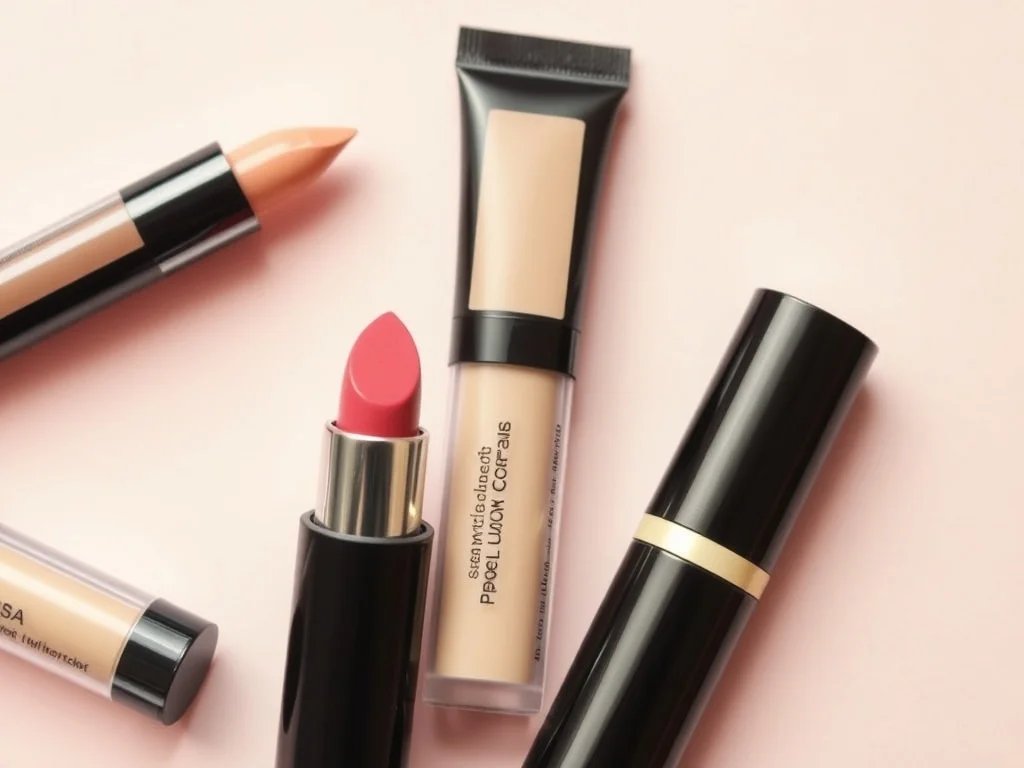
Vitiligo on Lips: Camouflage Makeup That Actually Works
Vitiligo on the lips is one of the more common places it shows up, and one of the hardest to camouflage well. The reason is mechanical, not cosmetic: lips move constantly, come into contact with food, drinks, cups, and napkins dozens of times a day, and have thinner, more sensitive tissue than the rest of the face.
Regular lipstick, on its own, usually is not enough.
Why regular lipstick falls short
Lipstick is designed to add color and shine, not to camouflage a pigment contrast. On lips affected by vitiligo, the depigmented tissue often needs actual opacity — coverage that sits between the lip and the color layer — rather than just a tinted layer on top. Without that base layer, the contrast between pigmented and depigmented lip tissue can still show through, especially in certain lighting.
What actually works
A lip-safe camouflage base first, color second. Rather than relying on lipstick alone, apply a thin layer of camouflage concealer formulated for use near the mouth, let it set for a minute, then apply your regular lip color on top. The base does the coverage work; the lipstick adds the finish.
Zanderm Vitiligo Concealer is one of the more commonly used products for this — it is formulated with vitiligo camouflage specifically in mind, and a small amount goes a long way on lip tissue.
Formulated for vitiligo camouflage
Zanderm Vitiligo Concealer
A small amount goes a long way on lip tissue — check the label for lip-safe use before applying close to the mouth.
Check Price on AmazonCheck the label before using any general body camouflage cream directly on lips — not everything formulated for larger skin areas is intended for use that close to the mouth. When in doubt, use a product specifically labeled safe for lip application.
Realistic expectations for wear time
Even a well-applied lip camouflage routine will need reapplication after eating or drinking — this is true for anyone wearing long-wear lip product, vitiligo or not, but it is worth saying plainly so you are not surprised. Carrying your base product for touch-ups, the same way you would carry lipstick, is the realistic approach rather than expecting one morning application to last through lunch.
A simple routine
- Start with clean, dry lips — no lip balm underneath your first layer, since it can prevent the base from gripping.
- Apply a thin layer of lip-safe camouflage concealer, focusing on the depigmented areas specifically rather than the whole lip.
- Let it set for about a minute.
- Apply your regular lipstick or lip color on top.
- Blot lightly — this helps the layers bond rather than sit separately.
- Keep your base product with you for a midday touch-up after eating.
My take
Lips are one of the areas where “just use makeup” advice tends to oversimplify things, because the mechanics of eating and drinking work against any product. A base-then-color approach, with realistic expectations about needing touch-ups, gets far better results than expecting lipstick alone to do the job.
