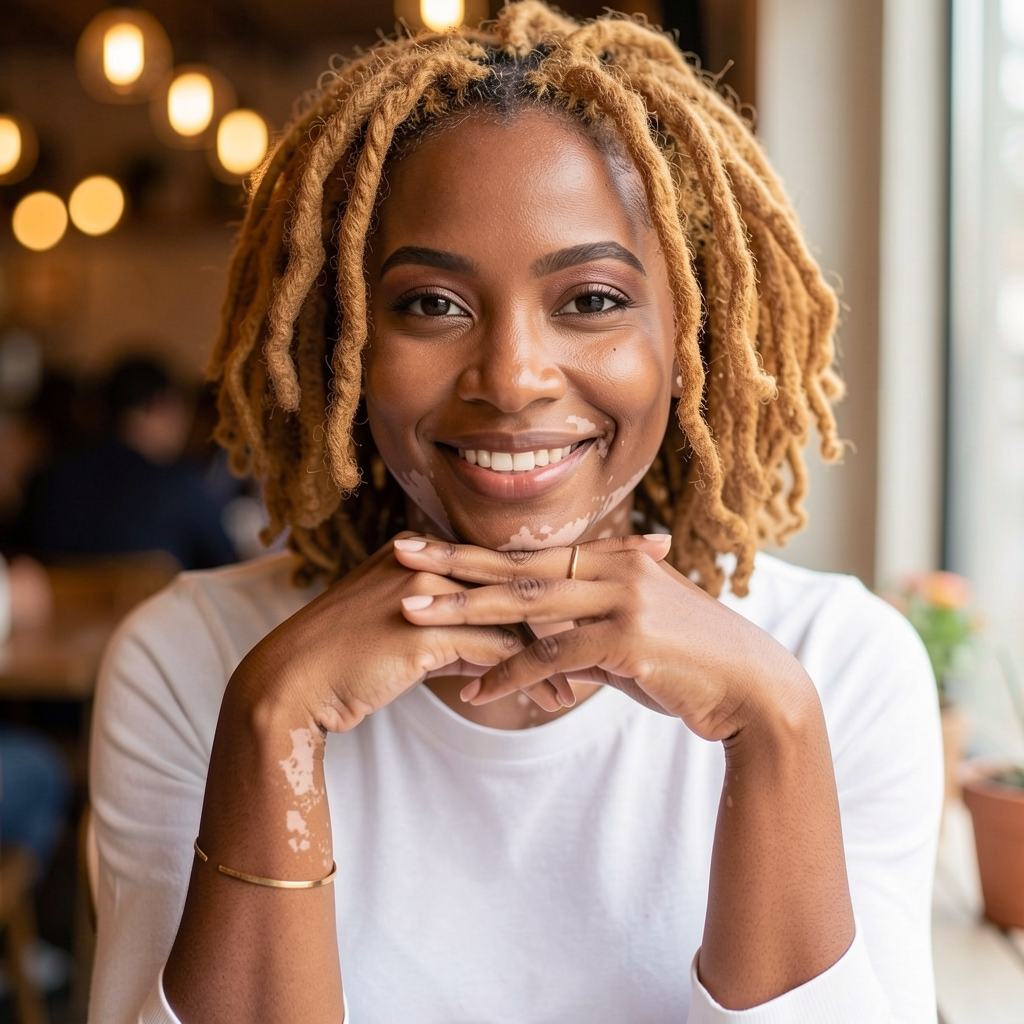
Vitiligo Makeup for Professional Headshots: Getting It Camera-Ready
Professional headshots are a different challenge than everyday camouflage makeup. Studio lighting is brighter and more direct than what you deal with day to day, and modern cameras capture detail that is simply invisible at normal conversational distance. Makeup that looks perfect in your bathroom mirror can show texture, edges, or slight mismatch under a 24-megapixel sensor and three studio lights.
Here is how to prep for that specifically.
Why headshot lighting is unforgiving
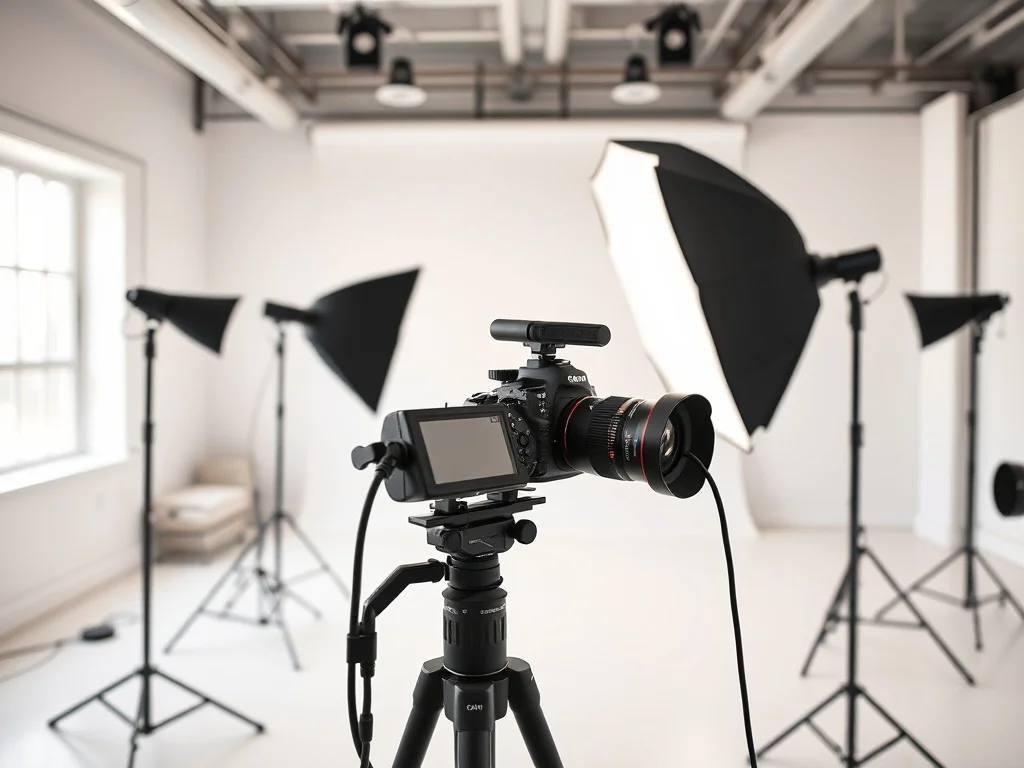
Studio lighting for headshots is usually positioned to be flattering but even — which, counterintuitively, can make subtle texture or color transitions more visible, not less, because there are no harsh shadows to hide behind. Combine that with a camera that resolves far more detail than the human eye picks up at arm’s length, and camouflage makeup that reads as flawless in daily life needs a slightly different approach for photography.
How to prep
Do a trial run under bright light before the actual shoot. Apply your usual camouflage routine and check it under the brightest light you have access to at home — a bathroom vanity light, a bright window — rather than discovering issues for the first time under studio lights.
Build thinner, more layers rather than fewer thick ones. This matters more for photography than everyday wear. Thin layers photograph more naturally; thick single applications can look slightly flat or “made up” under direct studio light.
Set thoroughly. A light dusting of translucent powder, pressed rather than swiped, reduces shine that studio lighting tends to exaggerate.
Coverfx Total Coverage Foundation and Dermablend Cover Creme both photograph well because of their higher pigment density — they hold up better under bright, direct lighting than lower-coverage everyday foundation.
Photographs well under studio light
Coverfx Total Coverage Foundation
Higher pigment density holds up better under bright, direct studio lighting than lower-coverage everyday foundation.
Check Price on AmazonCamera-ready coverage
Dermablend Cover Creme
Built for thin, even layering — the texture that photographs most naturally under studio lights and high-resolution cameras.
Check Price on AmazonTalk to your photographer
Mentioning your vitiligo to your photographer beforehand is worth doing, mainly so they can adjust lighting angle if needed and are not surprised by anything during editing. Most professional photographers have shot a wide range of skin types and conditions and will simply factor it into how they set up lighting — it is a normal, unremarkable part of their job, not something that needs explanation or justification.
The retouching question
Whether you want retouching on visible patches afterward is entirely your call, and there is no correct answer. Some people prefer full camouflage before the shoot specifically so there is nothing to discuss in editing. Others camouflage lightly, or not at all, and are completely comfortable with visible patches in the final image. What matters is deciding your preference ahead of time and communicating it clearly, rather than having an uncomfortable conversation mid-shoot or after receiving edited photos that do not match what you wanted.
My take
Headshots reward preparation more than any other camouflage use case, simply because the lighting and camera resolution remove the margin for error that everyday situations give you. A trial run under bright light, thin layering, and a clear conversation with your photographer beforehand will get you further than trying to solve it in the room on shoot day.
