
Waterproof Camouflage Makeup for Vitiligo: What Survives the Beach, Pool, and Gym
If you have tried to camouflage vitiligo for a day at the beach or pool and watched it disappear within twenty minutes of getting in the water, you already know: most camouflage makeup is not built for sustained water exposure, no matter what “waterproof” on the label suggests.
Here is what actually holds up, and how to set anything you use for the best odds.
”Waterproof” vs. “water-resistant”
Most makeup marketed as waterproof is, realistically, water-resistant. It survives splashing, sweat, and brief water contact reasonably well, but sustained submersion — actual swimming, not just standing in the shallow end — will wear it down over time. That is true across the camouflage makeup category, not a flaw specific to any one brand.
Zanderm Vitiligo Concealer markets specifically toward water resistance and is a commonly recommended option for swimming and outdoor activity. It still benefits from proper setting technique rather than being applied and trusted alone.
Built for water resistance
Zanderm Vitiligo Concealer
Markets specifically toward water resistance — a commonly recommended option for swimming and outdoor activity, especially when paired with proper setting technique.
Check Price on AmazonThe setting technique that actually extends wear time
This is the step most people skip, and it makes the biggest difference:
- Apply your camouflage makeup as a thin, even layer, same as any other application.
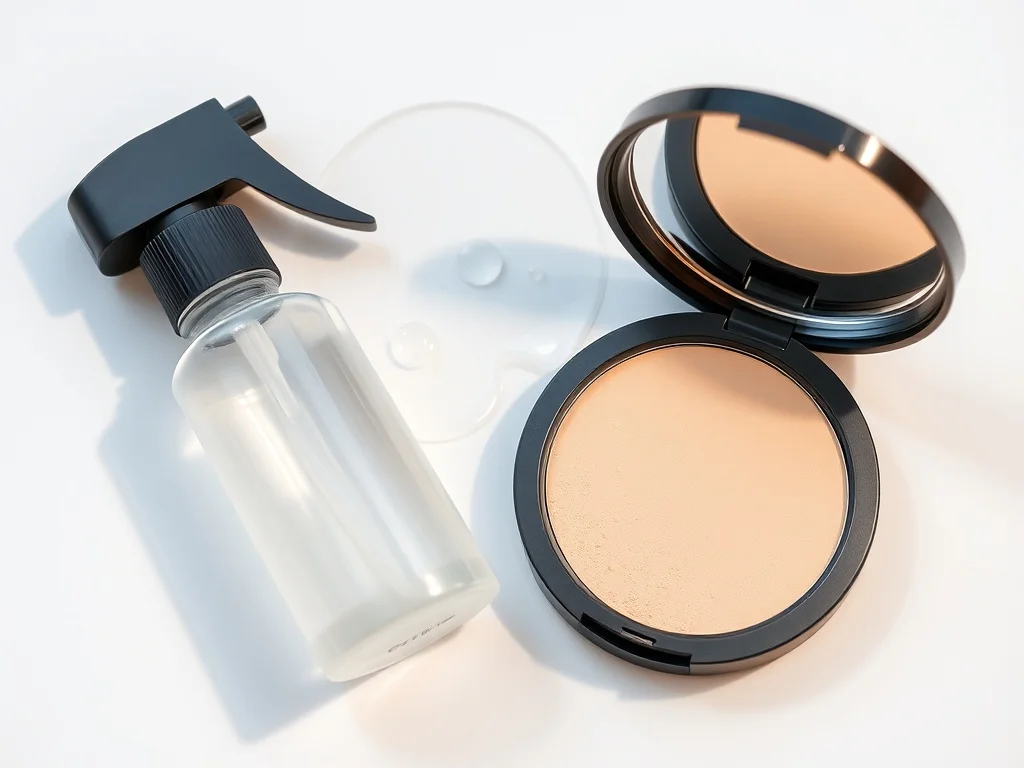
- Set with a translucent powder, pressed firmly (not swiped) into the makeup. Pressing helps the powder bind rather than just sit on top.
- Follow with a setting spray if you have one. This creates an additional barrier layer over the powder that meaningfully improves water resistance.
- Let the full setting process cure for a few minutes before water contact. Applying and immediately jumping in the pool does not give the layers time to bind.
Sunscreen order matters
Apply sunscreen first, let it fully absorb — this genuinely takes 10 to 15 minutes, not the 30 seconds most people give it — and apply camouflage makeup on top. Putting makeup on first and sunscreen over it tends to break the makeup layer down and shortens wear time significantly. And on depigmented skin, sun protection is not optional in the name of protecting makeup — sun protection matters more, not less, on vitiligo skin.
Realistic expectations
Even well-set, genuinely water-resistant camouflage makeup will need touch-ups after extended swimming, especially in patches that get direct water contact repeatedly (getting in and out of a pool multiple times, for example). Pack your product in your beach or gym bag rather than expecting a morning application to last through a full day of water activity.
My take
The setting step is the single biggest lever most people are not using. A good waterproof-marketed product applied without setting will still underperform a decent product applied with proper powder-and-spray setting. If water activity is a regular part of your week, invest the extra two minutes in the setting routine — it pays off far more than switching products repeatedly looking for a magic formula.
